Headache is headache, which is very common as a clinical symptom. Almost everyone has experienced headache. According to statistics, 30%-40% people go to the neurology clinic because of headache. Epidemiological investigation shows that about 70% people have had a headache, and 20% people go to see a doctor because of it. There are many reasons for headache, as long as it can stimulate the head pain receptors, it can cause headache symptoms. Clinically, diseases such as neurosis, migraine, upper respiratory tract infection and glioma can all cause headaches.
Recently, there was a news report that someone went to the hospital for examination because of recurrent dizziness and headache. It turned out to be a brain tumor the size of a goose egg, which was confirmed by pathology after operation as a high-grade glioma.
Then, in normal times, it seems that it is only a symptom of simple dizziness and headache. Why is there the possibility of glioma? How should we prevent and identify glioma in advance? Let’s get to know each other!
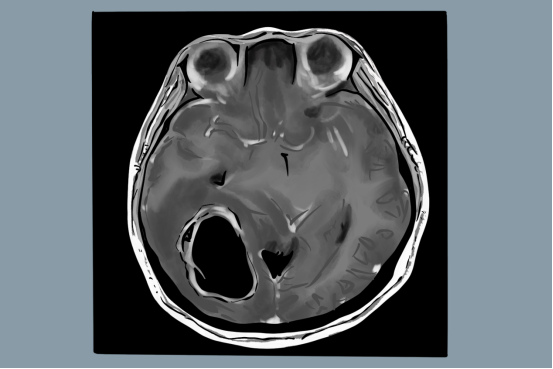
1. What is glioma?
Gliomas are tumors that originate from glial cells in the epithelial tissue of the brain., is the most common primary brain malignant tumor, accounting for about of central nervous system tumors.40%-50%.
The World Health Organization classifies brain gliomas into four grades, I, II, III and IV. Among them, Grade I and II are low-grade gliomas, and Grade III and IV are high-grade gliomas. The higher the grade, the higher the degree of malignancy. The treatment methods and prognosis of different grades of gliomas are quite different. The survival rate of high-grade glioma is low, while the 5-year survival rate of low-grade glioma can reach 80% on the whole.
Gliomas are most common in people aged 20-50.The incidence of brain gliomas in children accounts for 1%-3% of children’s systemic malignant tumors. In China, the annual incidence of brain gliomas is about 50-80/100,000, and the incidence has gradually increased in recent years. As the most common primary brain malignant tumor, its malignant degree is high.
Clinically, glioma has the characteristics of low cure rate, high recurrence and high mortality. This is related to the special location structure and treatment method of tumor growth.
Due to the invasive growth of glioma and the complexity of brain structure and function, in order to ensure the patients’ better neurological function after operation, a considerable number of operations can not guarantee radical resection of glioma lesions.
At the same time, the blood-brain barrier in brain tissue, on the one hand, prevents some harmful substances from entering the brain tissue from the blood, on the other hand, it also prevents chemotherapy drugs from entering the brain tissue or tumor tissue, so most chemotherapy drugs have insufficient effective blood concentration after reaching the brain tumor area, and the curative effect is not good. Radiotherapy can’t cure glioma because of the difference of sensitivity of tumor cells to radiation and the damage of radiation to surrounding normal brain tissue.
1. Is brain cancer a glioma?
The two are inclusive, not all brain cancers are gliomas, but brain cancers are a general term for malignant brain tumors.Brain cancer is malignant brain tumor, including primary brain tumor arising from brain parenchyma and secondary brain tumor transferred from other malignant tumors to the brain. Malignant brain tumors include glioma, brain metastasis and lymphoma.
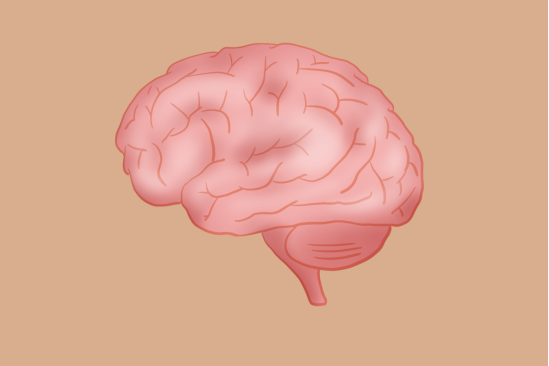
Second, how is glioma formed?
At present, the pathogenesis of glioma is not clear. Epidemiological studies show that the occurrence of glioma may be related to family genetic susceptibility, eating habits, drinking, ionizing radiation, electromagnetic fields, mobile phones and other factors.
1. Familial genetic susceptibility
A study in northern Sweden found that about 5% of the first-degree relatives (parents, children and siblings) of glioma patients have a significantly increased probability of developing glioma, while the incidence of other types of brain tumors does not increase the probability.
2. Unreasonable eating habits
Excessive intake of bacon, cooked ham, fried food and bacon and other foods, this kind of pickled food contains more nitroso compounds, and nitroso compounds are a class of carcinogens that have been identified at present, which are highly carcinogenic to nerves. Therefore, long-term use of too many such foods will lead to an increase in the risk of glioma. It should be noted that if the mother eats too much preserved food such as bacon during pregnancy, the risk of glioma in her children will increase accordingly.
3. Smoking
Many studies have shown that smoking is obviously related to the occurrence of various tumors. Tobacco (cigarette) will produce hundreds of carcinogens in the process of burning, and these harmful substances will significantly increase the risk of some tumors after being inhaled by the human body for a long time. In recent years, the research on the relationship between smoking and glioma has begun to attract attention. Because tobacco contains some carcinogens that can penetrate the blood-brain barrier, such as nitroso compounds, smoking has been considered as a potential risk factor for glioma.
Animal experiments show that the nitrosamine mixed smoke produced by tobacco (cigarette) during combustion is a strong carcinogen, and long-term effects can significantly increase the risk of brain tumors in rodents and monkeys.

4. Occupational and environmental factors
The incidence of glioma in some workers who have been exposed to plastic and rubber products for a long time and exposed to arsenic, mercury and petroleum products is significantly higher than that in the general population.
5. Ionizing radiation
At present, it is generally agreed that ionizing radiation will lead to the incidence of brain tumors, and radiotherapy is closely related to the occurrence of glioma.
Mobile phones can also produce ionizing radiation, so will using mobile phones lead to glioma?Most studies believe that using mobile phones does not directly lead to glioma.However, some people think that if people answer the phone unilaterally for a long time, their risk of brain tumor will increase by about one time. Although it is not certain that the use of mobile phones will directly lead to glioma, it is still necessary to control the use time of mobile phones.
6. Effects of diseases
It is considered that craniocerebral injury is a potential risk factor for glioma. Brain trauma will lead to gliosis in the injured area, which will increase the incidence of glioma in the injured area, but this conclusion still needs further research.
In addition, some infectious diseases, HIV, Toxoplasma infection, etc., are all related to the onset of glioma, but it needs further confirmation.
3. What are the symptoms of glioma?
Clinically, the main manifestations of glioma are increased intracranial pressure, neurological and cognitive dysfunction and seizures.
1, early and middle symptoms
The symptoms of glioma in the early and middle stages are basically the same, mainly manifested as seizures, personality changes, unilateral or bilateral hearing and vision decline, and some patients will also have dysphagia and other manifestations.
The incidence of epilepsy is about 30%, which is mostly caused by the direct stimulation or compression of glioma tumor. If the tumor grows in the motor area and its vicinity, the incidence of epilepsy is high.
2. Late symptoms
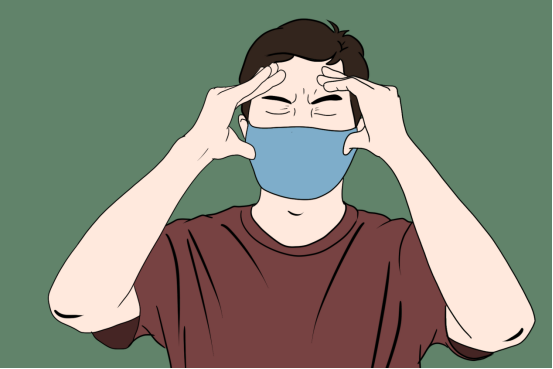
In the late stage of glioma, the patient has persistent dizziness and headache, which is gradually aggravated. Due to the increase of intracranial pressure, patients will have typical manifestations of jet vomiting, accompanied by changes in consciousness such as irritability and drowsiness. With the progress of the disease, patients will have symptoms such as aphasia, hemiplegia and blindness on one side, and in severe cases, they will be in a coma.
3. Other symptoms
In addition, because of the different location of glioma, its influence on local brain tissue function is also different, resulting in different symptoms. For example, gliomas in the optic nerve area can cause vision loss and blindness in patients; Patients with glioma near the central sulcus will have obvious motor and sensory disorders; It is difficult for patients with glioma in language area to express and understand language.
Although glioma is a malignant tumor, the time of the above-mentioned symptoms is different because of the different malignant degree of glioma of different grades. For example, patients with low-grade gliomas often take months or even years to get sick, while patients with high-grade gliomas can get sick in weeks.
4. What are the treatments for glioma?
At present,The treatment of glioma adopts comprehensive treatment, mainly surgical resection, combined with radiotherapy, chemotherapy and other treatment methods.
Surgical resection can safely remove the tumor to the maximum extent, effectively relieve the clinical symptoms of patients, prolong the survival time, and make clear the detection and diagnosis of pathology and molecular genetics.
Radiotherapy can kill or inhibit the growth of tumor cells and control the development of glioma.
Postoperative radiotherapy combined with temozolomide adjuvant chemotherapy is also the standard treatment for newly diagnosed glioblastoma in adults.
1, surgical treatment
The principle of surgical treatment of glioma is to remove the tumor tissue as much as possible under the premise of conditions, so as to alleviate the symptoms such as headache, dizziness, jet vomiting and papilla edema caused by intracranial hypertension. Relieve or alleviate related symptoms caused by glioma, such as seizures.
At the same time, the pathological tissue obtained by surgical resection is the main basis for the diagnosis of glioma, and surgical resection also provides conditions for subsequent radiotherapy and chemotherapy.
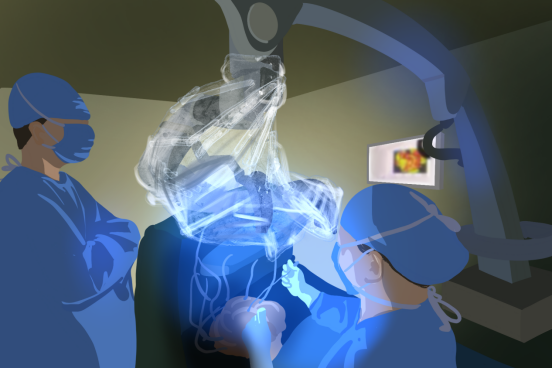
Although surgical resection of diseased tissue is the main treatment for glioma, surgical treatment is not suitable for all patients. Then, what are the indications and contraindications for tumor resection of glioma?
Indications
●CT or MRI examination suggests that there is a space occupying lesion in the brain;
●The patient showed obvious signs of intracranial hypertension and cerebral hernia;
●There is neurological dysfunction caused by glioma occupying effect;
●There are clear indications of epileptic seizures;
●The patient voluntarily underwent surgical resection.
contraindication
Surgical resection is not suitable for patients with severe dysfunction of heart, lung, liver, kidney and other organs, patients with recurrence after surgical resection, patients with poor physical condition who can not tolerate surgical treatment, and other patients who are not suitable for neurosurgical craniotomy.
In addition, if the tumor is located in the dominant hemisphere, widely invasive growth or unsatisfactory resection, and the nature of the lesion needs to be differentiated, pathological biopsy is feasible if the physical conditions permit and there are no contraindications similar to surgical resection.
2. Radiotherapy
Radiotherapy can only be performed after the tumor pathology is confirmed.
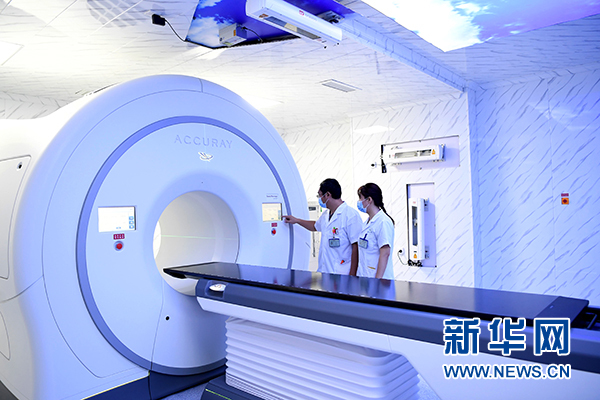
High-grade glioma(Ⅲ and Ⅳ)
Surgical treatment is the basic treatment for high-grade glioma. Early radiotherapy after surgical resection can effectively prolong the survival time of patients with high-grade glioma. Generally, radiotherapy and chemotherapy are started 4-6 weeks after surgical resection.
Low-grade glioma(Grade I and II)
There has been controversy about the indications, timing and dosage of postoperative radiotherapy for low-grade glioma. At present, the follow-up treatment methods are usually determined according to the risk factors of patients’ prognosis.
For patients over 40 years old, with incomplete tumor resection, large tumor and preoperative neurological deficit, radiotherapy and/or chemotherapy are needed as soon as possible after surgical treatment. However, patients younger than 40 years old who have completely removed the tumor do not need early radiotherapy and/or chemotherapy, and can observe their condition and then undergo radiotherapy and chemotherapy after the tumor progresses.
Recurrent glioma
Whether the recurrent glioma needs radiotherapy or not needs to evaluate the location and size of the tumor to choose the appropriate radiotherapy method.
3. Drug therapy
Drug therapy includes chemotherapy, molecular targeted therapy and biological immunotherapy. Chemotherapy is a treatment method to kill tumor cells by using chemical drugs, and its clinical application is relatively mature. Molecular targeted therapy, biological immunotherapy and other drug treatments still need more research. Because of the rapid growth and recurrence of high-grade glioma, it is more beneficial to control the disease by individualized chemotherapy as soon as possible after surgical resection.
Basic principles of chemotherapy for glioma
The extent of tumor resection directly affects the effect of chemotherapy. Therefore, chemotherapy is best carried out on the basis of safe resection of tumors to the greatest extent.
In addition to the extent of tumor resection will affect the chemotherapy effect of glioma, chemotherapy time and dosage are equally important, and chemotherapy should be started as soon as possible and in sufficient amount after surgical resection. On the basis of ensuring the safety of treatment, the maximum tolerated dose and reasonable chemotherapy course are adopted to achieve the best treatment effect.
Although chemotherapy is an important means to treat malignant tumors, the drug resistance of tumor cells to chemotherapy drugs will affect the therapeutic effect. Therefore, chemotherapy schemes need to choose drugs with different mechanisms and non-overlapping toxicity for combined chemotherapy to reduce the occurrence of drug resistance.
5. What’s the latest research progress about glioma?
In 2015, the idea of global adaptive clinical innovation experimental system for glioblastoma (GBMAILE) was put forward, including more than 150 people including clinicians, researchers, biostatisticists, imagers, pathologists, government and business leaders, and patient interest advocates. In June 2019, based on years of cooperation, the Global Adaptive Research Alliance (GCAR) officially launched GBM AGILE.
GBMAILE is a clinical trial system designed for glioblastoma. It is a two-stage, multi-arm experimental platform to evaluate the influence of treatment methods on patients’ survival and leave the trial after the evaluation is completed.In 2019-2020, GBM AGILE was first launched in the United States and Australia, followed by China and other countries.In order to recruit a large number of glioblastoma patients quickly.
With the development of neuroimaging technology, MRI imaging, represented by DCE-MRI (dynamic magnetic resonance enhancement), evaluates the malignant degree of glioma from the imaging characteristics and blood flow distribution characteristics of glioma, which provides more accurate basis for preoperative grading and postoperative evaluation of glioma, and also improves the level of clinical comprehensive diagnosis and treatment of glioma to some extent.
6. How to find glioma early?
Glioma, like tumors in other parts of the body, is related to genetic factors, environmental factors and other factors, so it is not easy to prevent it. However, it does not mean that there is nothing to do with glioma.The most important thing in the diagnosis and treatment of glioma is to find it early-regular physical examination.
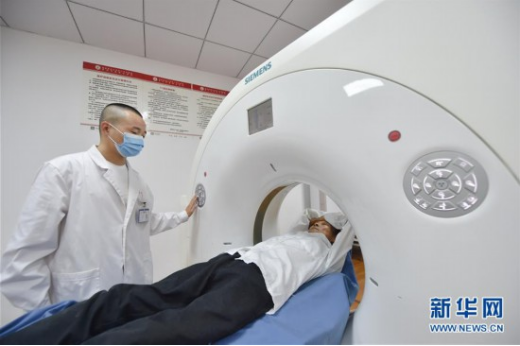
For people over 40 years old, CT, MRI (magnetic resonance imaging) and MRA (magnetic resonance angiography) should be checked regularly, which can not only screen whether there is glioma, but also check whether there is aneurysm and cerebral vascular malformation.
Some patients with chronic diseases such as hypertension and diabetes have a higher risk of brain diseases than the general population, so such people should also pay attention to regular brain health examinations.
In addition, if the following symptoms appear and cannot be relieved in a short time, you must seek medical attention and make screening diagnosis in time.
1. Headache
With the accelerated pace of modern life and increased pressure, headache symptoms are not uncommon in daily life. However, this kind of headache caused by stress is mostly transient and has a clear inducing reason. If there is persistent headache without obvious inducement, or if the headache is frequent and persistent, you must seek medical examination to determine whether it may be glioma.
2. Nausea and vomiting
Apart from food and other diseases, brain gliomas can lead to increased intracranial pressure, resulting in nausea, vomiting and other symptoms. Attention should be paid to identification.
3. Visual impairment
If glioma grows near the optic nerve, or because the tumor infiltrates the optic nerve, it will lead to related optic nerve dysfunction, which can be manifested as blurred vision, diplopia and other visual disorders.
Seven, how to reduce the recurrence of glioma?
Recurrence of tumor is very common. When glioma with low malignancy recurs, there is about 50% possibility that the malignancy will deepen. At this time, the recurrent tumor cells grow rapidly and the malignancy will increase, which is also the main reason for accelerating the death of patients.
Because of the invasive growth of glioma, surgical treatment can not ensure the complete removal of tumor cells, and the residual tumor cells after these operations are the basis of glioma recurrence.
The recurrence of glioma can occur at any time, generally about 6 months after treatment, and the incidence rate is about 36.7%. The treatment-related changes often occur within 3-6 months after radiotherapy and chemotherapy.
However, what needs to be differentiated from glioma recurrence is postoperative false progress, and the incidence of false progress is about 15%-30%. False progress is generally related to radiotherapy and chemotherapy, and it is not a real glioma recurrence. Therefore, patients with pseudo-progress should continue to implement adjuvant therapy, and no special treatment is needed when there are no symptoms.
1. Identify the symptoms of glioma recurrence.
The recurrence of glioma mainly shows symptoms such as increased intracranial pressure and local damage. The increase of intracranial pressure has no obvious specificity, which is similar to the initial manifestations of glioma, such as headache, dizziness, vomiting, blurred vision, diplopia, etc., and coma can also occur in severe cases; Headache mostly occurs in the early morning, mainly in the forehead and occipital pain. At first, it is intermittent pain. With the growth of the tumor, the degree of headache is gradually aggravated and the duration is gradually extended.
In addition, because the brain tissue is compressed, infiltrated and destroyed by the glioma tumor again, it leads to symptoms such as seizures, dyskinesia, hemiplegia and cognitive dysfunction, which are often accompanied by mental symptoms such as memory loss, inattention, drowsiness and less words.
2. To reduce the recurrence of glioma, we should do this.
1) early detection, early diagnosis and early treatment.
Early detection, diagnosis and treatment of glioma is the key to prevent recurrence.The time when glioma is first discovered has an important influence on the recurrence time. If the symptoms of glioma can be identified early and treatment can be started before the disease progresses to the advanced stage, the recurrence time of glioma can be effectively prolonged.
2) Reasonable selection of comprehensive treatment plan
For patients with glioma who have radiotherapy and chemotherapy, radiotherapy and chemotherapy should be carried out as soon as possible. Studies have shown that postoperative radiotherapy is an important factor affecting the recurrence of glioma, and the interval between recurrence of patients who insist on radiotherapy is generally longer than that of patients who do not receive radiotherapy. Generally, patients with glioma receive regular radiotherapy half a month to one month after surgery.
3) from the pathogenic occupation and environment
The onset and recurrence of glioma are closely related to environmental and occupational factors. For patients with glioma suspected to be caused by environmental or occupational factors, attention should be paid to getting rid of the environment and occupation that caused the disease, or taking corresponding protection.
4) enhance the body’s immunity
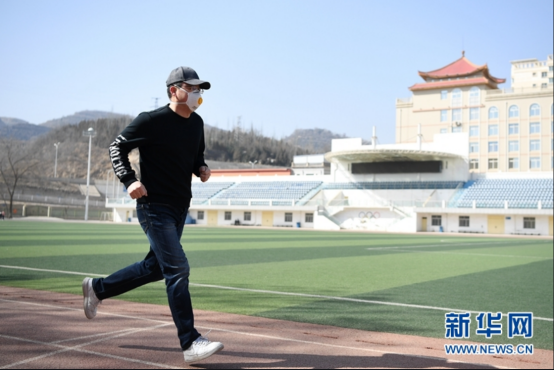
Proper physical exercise under the guidance of a doctor can enhance the body’s resistance, which is conducive to the recovery of the body after surgery and the prevention of tumor recurrence. Pay attention to moderate exercise, not strenuous exercise.
5) Develop good living habits
Quit smoking and drinking, maintain a healthy and regular life schedule, and maintain a good mental state. Pay attention to a comprehensive and balanced diet and eat less pickled food.
Glioma is not an incurable disease.Similar to breast cancer, lung cancer, gastric cancer and other tumor diseases, many types of glioma patients can survive for a long time after standardized treatment.
Early detection, early diagnosis and standardization are the keys to the treatment of glioma.For patients with glioma who have been treated, they should learn to observe their physical changes and how to prevent recurrence. Strengthen physical exercise and enhance immunity. In addition, a good attitude is an important factor to overcome the disease. Adjust your attitude, face the disease positively, and establish confidence to overcome the disease.
I believe that in the near future, more and more new treatment technologies and drugs will emerge, and the new research mentioned in this paper will not stop there. Scientists will certainly develop more new treatment methods, and we look forward to more and more unexpected clinical research results in the future.
(Author: Zhang Jing)
Scientific check: Chief physician and associate professor of neurosurgery, Peking University Third Hospital, Sun Jianjun.