"My pet is an elephant" publicity song MV Liu Qingyun fancy hit on a girl

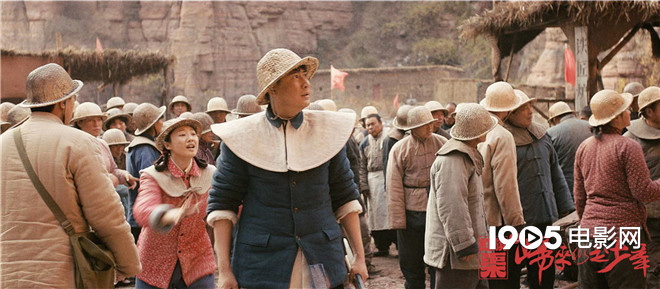
1905 movie network news A few days ago, after the romantic comedy starring Liu Qingyun, You Jingru, Kong Wei, Lin Xue, Pan Yueming, and the well-known successfully held the "Wonderful Elephant Heaven Opening" press conference and advanced screening, the film official presented the audience with the "Rural Bollywood Edition" poster and the "Elephant Dance" promotional music MV, which made the audience much addicted before the release, and some viewers said that they had started to count down in their hearts and couldn’t wait for the film to be released.

The official also recently held "Banana Recruitment · Love Feeding Elephants" activities all over the country, because the elephant’s food intake is much larger than we thought, each elephant needs to eat 125 kilograms of elephant grass every day to feed, and one year, an elephant may really "eat up" a zoo! This love activity advocates that everyone donate small donations to buy bananas and elephant grass, cherish various zoos with elephants, and feed the elephants in the zoo with a large amount of food. Many friends, big and small, also approached the elephants with the staff to personally feed the lovely elephant.


Rural Bollywood, wandering and wandering, interpreting love and dreams


In the poster of the "Rural Bollywood Edition" released, a group of starring actors stood up and lined up, and the elephants behind them raised their noses to the sky as if they were about to take off. The starring actors were dressed in colorful circus costumes, full of "Rural Bollywood" temperament. As the C-leader of "Rural Bollywood", Lao Qi, the circus leader played by Liu Qingyun, charged in front, facing the unbearable weight of life with his kind smile in the battle for survival without a way out. The heroine You Jingru, with a slight horror and confusion in her eyes, hid behind Lao Qi. Is she Lao Qi’s "real enemy" or "real teammate"? People can’t help but look forward to the love and killing between her as an animal protector and the circus elder Qi.

The first sister of the circus, Monroe, played by Kong Wei, stands behind Lao Qi, and her actions are full of enchanting elegance. Her character is beautiful in appearance and righteous in behavior, and she is deeply loved by the members of the group. Lao Jin, played by Lin Xue, has a helpless face, but he also shows a hint of honesty and cuteness. Yang Le, a Dream Garden executive played by Pan Yueming, and Song Wen, a domineering female president played by Known, are still elite, standing and watching from the sidelines. There are also more new faces in this poster: Director Xiao, a female policewoman played by Xia Xing, is a confidante who has been secretly helping Lao Qi, and is also silently trying her best for Lao Qi and his circus. The exposure of this "rural Bollywood" lineup has a vivid personality, and the relationship between members is also surging. A war about life and survival is about to begin.

In the promotional MV of "Elephant Dance" released this time, in the joyous and melodious prelude and the picture full of bohemian style, a journey of joyful pursuit of dreams is launched. The voice of Si Zu Junwen, a well-known music producer in Yunnan, has a sense of immersive mood as soon as he opens his voice with a slightly vicissitudes of life. The lyrics "If you remember that dance, take your steps" make people can’t help but follow the elephants to dance for their dreams, but they don’t know that every step they take is like walking in the swamp of life, full of heaviness and hardships; the second half of the sentence "Plant a rainforest and let the elephants walk" inevitably makes people feel Lao Qi, feel the strong emotion and mutual cherish of the circus for elephants.

At the end of the MV, Lao Qi looked at his beloved elephant, his face full of helplessness, and the reluctance to part with the elephant when he parted was touching. This joyous life journey, against the backdrop of music, showed the helplessness, freedom, and hope of wandering.


Liu Qingyun’s entanglement with three women is only due to four elephants


  "My Pet is an Elephant" is an adult fairy tale full of sweetness and philosophical connotations. When I first heard the title of the film, I believe that the cute elephant king who is "so cute" will be imprinted in the audience’s mind, but this time the elephant will not be watched in the zoo, but in the cinema. In the film, Lao Qi’s operation of "spoiling the elephant sons" and his interaction with the elephant sons will also make the audience very moved. In the film, Liu Qingyun has a "life and death" entanglement with the policewoman Xiao played by Xia Xing, Monroe played by Kong Wei, and Jessica played by You Jingru in order to feed the elephants. Liu Qingyun played the old Qi staged fancy hit on a girl, walking among the flowers, leaves do not touch the body. He seems to be wearing men’s large glass shoes, surrounded by a group of unearthed Cinderella.

As the facade of the circus, Monroe walked with Old Qi through the dawn and dusk, accompanied by the sunrise and sunset by the lake, and accompanied Old Qi to wander for half his life. In the end, Monroe couldn’t help but sigh, "Old Qi’s card table, whether I have it or not, it doesn’t matter, as long as I can Hu", only the back of leaving sadly.

Lao Qi’s other confidante, the policewoman Director Xiao, lived up to her name. She was a "pretty beauty" who could be salted and sweet. She also "secretly arranged" a lot for Lao Qi’s circus career, allowing Lao Qi and his circus to get through the crisis again and again.

The one with the most "constant sparks" with Lao Qi was Jessica, the rich daughter. From the beginning, for the elephants, they were incompatible with each other, and finally they built an inseparable affectionate bond and fed the elephants together. In the little moments of getting along with each other, Lao Qi took off Jessica’s pretend strong armor and gave her the warmth of home that she lacked. Lao Qi was entangled with the love and hate of the three women, and faced the unsustainable company of the elephant, but he also harvested an affectionate bond that was difficult to give up.

"My Pet is an Elephant" is not only an adult fairy tale, but also a book of love. As the film said, "Life is like this, sometimes an inadvertent choice changes everything." Even if the dream is heavy and life is difficult, when facing the ultimate boss of life, choose to stay with the people around you, and harvest the kindness and warmth in between, it can give you hope and motivation to move forward.

On April 12th, regardless of the distance, bring your loved ones with you and build your inner home with love in "My Pet is an Elephant".
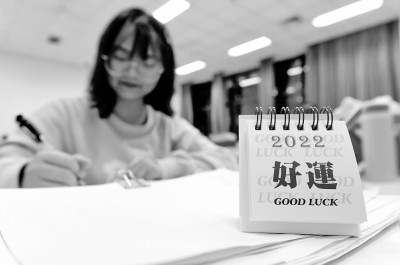
Learn to master, shrink, and master, and graduate education will be diversified.

  [Reporter’s investigation]

  Guangming Daily reporter Chai Ruzhen

  In 2022, the national postgraduate entrance examination kicked off on the 25th.

  In the examination room, the candidates worked hard; Under the examination room, many college students who plan to take the postgraduate entrance examination have already begun to think about what majors, universities and degree types they want to apply for in the coming year. Many college students frankly said, "You can’t tell a master from a master." Then, why do students learn to master and master, and why do they shrink and rise? Why should we distinguish between two types of degrees? How to choose?

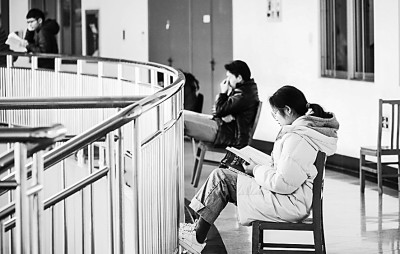
  On December 6th, Hebei University of Engineering candidates reviewed in the study room. Hao Qunying photo/bright picture

  Trade-offs

  Tian Tian (pseudonym), a student at Shanxi University, has always had a dream of Peking University. However, just as she was preparing to apply for a master’s degree in the School of Journalism and Communication of Peking University, she learned that in 2022, the school plans to recruit 10 full-time academic degree graduates, all of whom are recommended for exemption. Without the qualification of insurance research, she can only choose to apply for a master’s degree.

  In recent years, under the background of the steady increase in the number of graduate candidates and the enrollment expansion of graduate students, the news that some academic graduate students in some famous schools have reduced or even stopped recruiting has aroused widespread concern and heated discussion, and even some media have used the word "exit" to describe this phenomenon.

  On November 23rd, in Huai ‘an, Jiangsu Province, students who participated in the postgraduate entrance examination reviewed in the library of Huaiyin Normal University. Photo by Zhao Qirui/Bright Picture

  The School of Economics of Fudan University issued a circular in official website in May this year, making it clear that starting from 2022, it will no longer recruit academic degree postgraduates. This is not an isolated case: in 2021, the National Development Research Institute of Peking University cancelled the enrollment of master students, and the School of Software of Fudan University no longer enrolled master students with academic degrees; Sichuan University and Fuzhou University have also stopped enrolling students with masters in psychology and information science. In addition, it has become an increasingly obvious trend to reduce the enrollment quota for graduate students, or to guarantee graduate students to study for graduate students only by accepting the recommended exemption.

  At the same time, the enrollment scale of professional degree postgraduates is expanding steadily. Education in China — released by the Ministry of Education on November 15th; — The development of national education in 2020 shows that in 2020, 991,000 graduate students were enrolled nationwide, including 602,000 with professional degrees, accounting for 60.8% of the total enrollment of graduate students, an increase of 2.4 percentage points over the previous year. According to the data from the Center for Degree and Postgraduate Education Development of the Ministry of Education, in 2021, there were 1.062 million national postgraduate students, including 657,000 professional degree students, accounting for 61.9%.

  2021 is the 30th anniversary of the implementation of China’s professional degree system. By 2020, China has set up 47 professional degree categories, with a total of 5996 master’s degree authorization points and 278 doctoral degree authorization points, which basically cover major industries in China.

  "In the postgraduate training stage, professional degrees have become the main body." Huang Baoyin, director of the Center for Degree and Postgraduate Education Development of the Ministry of Education, recently wrote that "in the past 30 years, China’s professional degree education has developed rapidly and achieved remarkable results, from one category to 47, from master’s degree to doctor’s degree at the level, and from recruiting dozens of people every year to recruiting more than 600,000 people every year, and the proportion has increased from less than single digits to more than 60% now. Training institutions have basically covered all postgraduate training units from a small number of institutions to now, and their functions have changed from being a useful supplement to academic postgraduate education to being equally important now. They have never been known to be popular now, and their models have changed from learning to learning. It has more China characteristics and unique advantages. "

  Structure optimization

  Shen Hangyu, who just graduated from Xinjiang University with a master’s degree in electrical engineering, admitted that he did not struggle when he took the postgraduate entrance examination, and directly chose the master’s degree, because the master’s degree is biased towards engineering application, which can improve the overall employment competitiveness. "Great country craftsmen are my lifelong goal!"

  Behind the trade-off between academic masters and specialized masters is the gradual adjustment of the postgraduate training structure in China, so as to better adapt to and play an important role in cultivating innovative talents, improving innovation ability and serving economic and social development.

  "The reduction of masters and the rise of masters are not things in recent years, but the embodiment of national policies for a long time." Peng Pai, deputy director of the Institute of Degree and Postgraduate Education of Huazhong University of Science and Technology, told the reporter that before the freshmen were allowed to apply for professional masters in 2009, the proportion of masters was less than 10%; Since then, the enrollment of special masters has begun to increase substantially, and this trend has always been obvious. The 13th Five-Year Plan for the Development of Degree and Postgraduate Education issued in 2017 aims to make up about 60% of master’s enrollment in 2020. Last year’s "Professional Degree Postgraduate Education Development Plan (2020-2025)" put forward the goal that by 2025, master’s degrees will account for two-thirds of master’s enrollment, which is about 67%.

  It is not difficult to see that professional degree graduate education will become the main way to train high-level applied professionals in China.

  "This adjustment is closely related to the transformation of postgraduate education." Shen Wenqin, an associate professor at Peking University Institute of Education, further explained that in the past, you could enter a university as a teacher after graduating from a master’s degree. However, with the expansion of doctoral enrollment, the threshold of teaching in colleges and universities has also risen. For example, in 2020, China will recruit more than 100,000 doctoral students, but the demand for university teachers and research institutes is around 60,000, which means that 40% of doctoral students may not be able to engage in academic work in universities or research institutes after graduation. In this case, if the orientation of postgraduate education is still simply to cultivate talents in academic departments, it obviously cannot meet the needs of economic and social development, nor does it meet the needs of students’ study and employment. Master’s training needs to be mainly oriented to enterprises and institutions, including R&D talents of enterprises.

  On the other hand, with the high-quality development of China’s economy and society, the demand for high-level applied talents in all walks of life is becoming more and more urgent. Peng Pai pointed out, "The general trend of postgraduate training is career orientation, application orientation and practice orientation. Especially in the master’s degree, it is not necessary and impossible to ask everyone to do scientific research after a large number of enrollment expansion. More importantly, it is to cultivate professional ability and the ability to solve practical problems. "

  "Don’t simply understand optimizing the educational structure of master’s degree graduate students as increasing the enrollment ratio of specialized masters." Xu Lan, director of the Graduate Education Research Center of Xiamen University, stressed that structural optimization also includes improving the category management mechanism of specialized masters and adding specialized masters according to the needs of social development, which reflects the ability to respond quickly to market changes. In addition, in the future, we should improve the classification evaluation system for different degree types, and guide the development of graduate education to break away from the path dependence of single quantity expansion and develop in a direction of "multiple and high quality".

  Various types

  Li Jing (a pseudonym), a Chinese medicine major in Tianjin University of Traditional Chinese Medicine, was transferred from a master’s degree to a master’s degree because of insufficient scores. However, after entering the school, it is found that there is little difference between the two in actual learning. Just like studying a course, both of them need to master the experimental operation and complete the thesis experiment. "The biggest difference is the degree certificate, the master is a medical degree, and the master is a science degree.

  Both master degree and master degree need to cultivate research ability, so what is the difference between them is also a puzzling problem for many college students.

  Peng Pai pointed out from three aspects: training objectives, training methods and evaluation methods that the main differences between master and master are: master pays more attention to knowledge innovation ability, while master pays more attention to practical innovation ability; Master should mainly participate in academic research, and master should participate in professional practice and industrial application topics; Learning to master mainly depends on the academic nature of the paper (such as the rigor of the method and the novelty of the discovery), and mastering mainly depends on whether the paper has the ability to apply knowledge to solve practical problems.

  Many experts pointed out that due to the different demand for talents in the labor market, "the goal, method and evaluation of cultivating talents should also be different. Only in this way can we cultivate talents accurately." This distinction of training types is not only necessary, but also the inevitable trend of the development of postgraduate education. From a global perspective, the diversification of degree types is also a common trend.

  "We are increasingly accepting the concept of multi-quality, and we should appreciate the beauty of difference brought by this kind of classified training." Xu Lan also admitted that the current postgraduate training is not enough to show the distinction of types, especially in the course content and thesis form. Although there are practical links, most students do not have off-campus tutors, and teachers’ requirements for postgraduate training are usually loose. If the length of study is shorter than that of postgraduate training, and it is not well connected with professional qualifications, it is easy to be labeled as "water release", and the signal function of "postgraduate = practical innovation ability"

  According to the results of the national postgraduate study and development survey conducted by Peng Pai and his team, the proportion of master students participating in various horizontal projects is not as good as that of master students, and the horizontal projects directly point to the application ability, so master students should be more involved; Most of the tutors have no difference in the way of cultivating masters, and they are basically cultivated in the same way as in the past, and there is inertia; At present, there is a lack of institutional mechanisms for industry to participate in the training of specialized masters. Peng Pai believes that "it took only about ten years for the proportion of students enrolled in master’s degree to rise from less than 10% to 60%. Therefore, these developing problems need to be solved in development. "

  In addition, Shen Wenqin suggested that we should be alert to the "hidden educational equity problem" for the chain problems that may be brought about by the expansion of enrollment of specialized masters. The tuition fee for a master’s degree is often higher than that for a master’s degree, which may affect the further study opportunities of children from poor families. Under the realistic conditions that many jobs require master’s degrees, future policy research or adjustment should fully consider the equity of graduate education.

  Finally, for college students who intend to take the postgraduate entrance examination, many experts suggest that: first, clear the goal, find the right position, make a good career plan, don’t follow the crowd and chase after the hot spots, and don’t regard the professional degree as a "water release" choice; Second, we should have a correct understanding of graduate study. Graduate students do not learn well by taking classes and taking credits, but mainly by self-study, with the goal of improving their research ability. Third, in the undergraduate stage, we should consciously participate in the teacher’s research and find our own interests and directions.

  Guangming Daily (11th edition, December 25th, 2021)

Budweiser expands carbon-neutral territory to create a zero-carbon future.

(June 2, 2022, Jinzhou, Liaoning Province) When World Environment Day’s "National Home Event" landed in Liaoning Province, Budweiser China and its Jinzhou factory in Liaoning Province also launched a celebration with the theme of "Re-expanding a new version of carbon-neutral map to create a zero-carbon green future" in the form of "online+offline". More than 30 factories in Budweiser China were connected to Jinzhou at the same time, adding vivid annotations to World Environment Day in this low-carbon digital way.
Jinzhou Municipal Government and Budweiser Asia Pacific signed the agreements of "Carbon-neutral Brewery" and "Delivery of Beer Wastewater Carbon Source", announcing that Jinzhou Factory will be carbon-neutral before the end of the year, becoming the second carbon-neutral factory of Budweiser in China and the first carbon-neutral factory in Liaoning Province. The agreement of "assembly line" was also signed, and Budweiser China will build a new assembly line in Jinzhou factory to further optimize the product structure of Budweiser Jinzhou factory and better meet the market demand for different categories.
(Budweiser Asia Pacific and Jinzhou government sign the strategic agreement of "carbon neutral brewery")
Leaders of Jinzhou City, representatives of Budweiser Asia Pacific suppliers, and experts from non-profit organizations such as Carbon Information Disclosure Project (CDP), World Resources Institute (WRI), Renewable Energy Professional Committee of China Circular Economy Association (CREIA) and Nature Foundation (TNC) attended the event, and all parties exchanged views on the sustainable development trend and best practical experience of the beer industry.
Cheng Yanjun, chief supply chain and logistics officer of Budweiser Asia Pacific; Yang Kai, vice president of sustainable development and procurement of Budweiser Asia Pacific; Ke Ruige, chief legal and corporate affairs officer of Budweiser Asia Pacific; Qian Hong Sun, chief human resources officer of Budweiser Asia Pacific; Che Qi, chief marketing officer of Budweiser Asia Pacific; Yu Liang, president of Budweiser China Northeast Division, and others appeared at the event.
(Speech by Mr. Yu Liang, President of Budweiser China Northeast Division)
Dare to dream: to build the first carbon neutral factory in LiaoningRe-expansion of carbon neutral layout
Since Wuhan factory became Budweiser’s first carbon-neutral factory in the world last year, many Budweiser factories in China have accelerated the pace of carbon reduction. A grand Budweiser China "carbon-neutral map" is accelerating, and Jinzhou factory will take the lead in joining this map after Wuhan factory.
Jinzhou is the logistics and science and technology center of Liaoning. This traditional industrial city is also one of the few cities in China that won the "China’s Human Settlements Model Award". Budweiser Jinzhou Factory is also of strategic significance to Budweiser. Similarly, as an enterprise with a high sense of social responsibility, Budweiser also actively participates in local economic construction and contributes to the prosperity of the community.
As a "state-level green factory", Jinzhou Factory has been planning to reduce carbon emissions very early: as early as 2014, photovoltaic panels were installed, and the annual power generation reached 800,000 kWh, equivalent to reducing carbon emissions by 492.8 tons per year. Combined with the ratio of green electricity such as hydropower, wind and light, a green electricity purchase agreement was signed, and Jinzhou factory has used 100% renewable electricity, achieving zero net carbon dioxide emission in electricity consumption.
(Budweiser Jinzhou Factory and Roof Photovoltaic Panel)
In terms of production, Jinzhou Factory actively deployed digitalization and applied VPO management to realize dynamic energy management, so as to ensure the scientific and orderly development of energy saving and consumption reduction, and transformed coal-fired boilers into biomass boilers. In terms of product packaging and logistics, Jinzhou Factory has also used beer bottles made of renewable electricity, actively deployed electric forklifts and electric buses, installed new charging piles, etc., and made every effort to minimize the consumption of various resources. The project of sewage carbon source delivery not only reduces its own energy consumption, but also provides other enterprises with production needs.
(Export Project of Sewage Carbon Source of Budweiser Jinzhou Factory)
Cheng Yanjun, chief supply chain and logistics officer of Budweiser Asia Pacific, said: "Budweiser China is actively promoting the process of carbon neutrality. All our wineries are carrying out the RE100 initiative, and more wineries will join the carbon neutrality map in the near future. We must not only build a carbon-neutral factory, but also share the technology, resources and experience of sustainable development with more industries and contribute to the green development of Jinzhou and even China. "
Dare to create:reduce carbon emissiontargetFurther,30+ factoryleadinnovateaction
Budweiser has always regarded climate action as one of its top priorities. Since the release of the 2025 sustainable development goal in 2018, Budweiser has spared no effort in climate action. Budweiser China has linked the upstream and downstream of the value chain, and more than 30 factories have made comprehensive attacks and made innovations in many ways, which has also made considerable progress. In the process of fully promoting the realization of the national "3060" double carbon goal, Budweiser Global released a more ambitious goal at the end of 2021-to achieve zero net emission in the whole value chain of Budweiser by 2040! This also marks that Budweiser has become one of the first 100 companies in the world with climate action targets.
Up to now, four Budweiser factories in China (Ziyang, Foshan, Kunming and Jinzhou) have realized 100% renewable power brewing. Fourteen factories in the Asia-Pacific region have installed photovoltaic panels, and the latest flexible lightweight photovoltaic panels can even be installed in the orchards of factories, greatly improving the practicality and popularity.
The biggest feature of Budweiser’s carbon neutrality is "reducing energy use and improving energy efficiency management", protecting water resources and improving water efficiency in production, which is also the focus of Budweiser’s efforts. In 2021, after advanced treatment, Budweiser Nanning Factory realized 100% utilization of reclaimed water, becoming the first zero sewage discharge factory in China District, and the water consumption per 100 liters of beer reached 1.19hl/hl, far ahead of the industry average.
In terms of recycling packaging, Budweiser strives to cooperate with suppliers to promote packaging lightweight, recyclability, recycled materials and recyclability. Last year, Budweiser Taizhou Factory took the lead in becoming the first "zero-waste" brewery in the Asia-Pacific region by recycling reclaimed water, converting production waste into useful materials, and turning sludge and wastewater by-products into agricultural raw materials, which greatly reduced carbon emissions and achieved a win-win situation in economic and environmental benefits.
While other enterprises are still focusing on the carbon neutrality of Scope 1 and Scope 2, Budweiser, as the leader of green logistics, has already promoted the procurement of renewable energy and the emission reduction of Scope 3 through various means such as cooperation with the World Resources Institute, and extended the carbon reduction action to the logistics field. By the end of 2021, we took the lead in deploying 335 green vehicles in China, including 30 electric heavy trucks and 5 hydrogen-powered heavy trucks. It is estimated that by 2025, compared with 2017, Budweiser China will reduce greenhouse gas emissions by 40% in the whole logistics operation, which is equivalent to reducing carbon emissions by 70,266 tons! In Budweiser Foshan factory, a closed-loop model of "power generation-energy storage-use-recovery" was pioneered by combining heavy-duty electric trucks with smart energy storage projects, and this innovative model also provided replicable samples for other enterprises.
Yang Kai, vice president of sustainable development and procurement of Budweiser Asia Pacific, said, "With the efforts of all employees of Budweiser Asia Pacific, we have accumulated rich experience in sustainable development of the industry. We will join hands with suppliers and industry partners to help them achieve low-carbon transformation. Reducing carbon emissions requires the cooperation of all parties, so we actively share best practices and promote the formulation of industry standards, thus having a positive impact on the environment on a larger scale. "
(Mr. Cheng Yanjun, Chief Supply Chain and Logistics Officer of Budweiser Asia Pacific, and Mr. Yang Kai, Sustainable Development and Procurement of Budweiser Asia Pacific)
Future communist partyApplause:Build an industryChain carbon reduction schemeCommitted to high-quality growth
The theme of this year’s World Environment Day is "Building a Clean and Beautiful World Together", emphasizing the promotion of the awareness of the whole society to jointly protect the ecological environment, which coincides with Budweiser’s new aim of "Dare to dream and innovate, and cheer together in the future". This beautiful world is not only clean and sustainable, but also pluralistic, harmonious and shared by everyone!
Budweiser knows that no enterprise can cope with the problem of sustainable development independently. All along, Budweiser has been implementing sustainable development in the whole industrial chain, and through innovation and cooperation, it has linked all parties to act in concert. On the road of promoting carbon neutrality and creating a zero-carbon future together, Budweiser has set up various forms of "carbon reduction training courses" for its partners and colleagues in the industry in line with the concept of "teaching people to fish" to share carbon reduction concepts and professional knowledge, and also arranged professional teams to visit factories and conduct on-the-spot carbon inspection to help business partners tailor-made carbon reduction plans. In addition, Budweiser also links the industrial chain through projects or platforms such as 100+ accelerator, sustainable development innovation center and Budweiser strategic cooperation supplier alliance to build a high-quality growth economic system.
Representatives of international rating agencies fully affirmed Budweiser’s efforts: China’s goal of "double carbon" needs the joint efforts of the whole society. As an industry leader, Budweiser’s technological innovation, model innovation and platform role in the field of carbon neutrality have positive demonstration and reference significance for the whole industry and even the whole society.
The 19th National Congress of the Communist Party of China pointed out the direction of high-quality development-"establishing and improving the economic system of green and low-carbon circular development", and ESG (environment, society and governance), as an important basis for measuring the high-quality growth of enterprises, has become the focus of attention of various enterprises in recent years and the top priority of Budweiser’s development. In 2021, Budweiser Asia Pacific obtained $500 million sustainable development linked loans (green loans) from several banks to promote ESG performance. In the same year, Budweiser Asia Pacific ESG was also rated as Grade A by MSCI and won the Hong Kong ESG Report Award "Outstanding Carbon Neutrality Award".
Ke Ruige, Chief Legal and Corporate Affairs Officer of Budweiser Asia Pacific, said: "As a leading beer company in Asia, Budweiser Asia Pacific is committed to becoming the most popular high-quality growth leader in the beverage industry. We will continue to focus on the strategic development of environment, society and corporate governance (ESG), and continue to work together with business partners through innovation and cooperation to create a pluralistic, inclusive and celebrated future!"
(Representatives of Budweiser Jinzhou Factory attended the celebration in World Environment Day)
"The root of Mao is actually awkward, and the cream is bright." In order to achieve zero net emission of the whole value chain, Budweiser is deeply rooted. Starting from a factory, starting from a joint partner, with a bottle of beer to reduce carbon, we will continue to expand the carbon-neutral territory and build a clean and beautiful world.
Reporting/feedback

What should I do if I find small pulmonary nodules? Expert: Look at the shape, look at the "family" and look at the trajectory.

  Medical Guidance/Professor Qiao Guibin, Director of Thoracic Surgery and Deputy Director of Cancer Treatment Center of Guangdong Provincial People’s Hospital, and a young and middle-aged doctor in Guangzhou.

  A young man, who has been traveling all over the country for several months, was carrying a suitcase of CT films. When he saw the doctor, he "knelt down" to help him cut the small nodules on his lungs. Such patient stories are not uncommon.

  A few days ago, Guangzhou Daily’s famous doctor lecture hall online "found pulmonary nodules, what should I do?" In the micro-class, Professor Qiao Guibin, director of the Department of Thoracic Surgery of Guangdong Provincial People’s Hospital, pointed out that according to incomplete statistics, if nearly 1.4 billion people in China go for a chest CT examination, more than 100 million people may find pulmonary nodules.

  Small pulmonary nodules are divided into benign and malignant, which also means that they can be far or near from cancer, so they are particularly nervous and helpless. What should I do if I find small pulmonary nodules? Qiao VIP told them one by one.

  case

  The young man is carrying a box of CT films to "cut"

  "The discovery of pulmonary nodules has brought too much psychological pressure to patients!" Qiao VIP sighed.

  More than half a year ago, a young man from other provinces came to Joe’s VIP clinic, carrying a big suitcase and opening the CT film full of it! It turned out that his physical examination had found small nodules on his lungs, so he went to doctors everywhere for diagnosis. As a result, some said "nothing" and some said "like lung cancer", which made him extremely nervous.

  In order to seek medical treatment, the young man even resigned and had a CT examination once a month. "Whether it is cancer or not, please help me cut it!" The young man almost knelt down, and even his wife who accompanied him helped him: "He has been living in the shadow of lung cancer, which is too painful!"

  Can Qiao VIP look carefully, judging that it is very likely that it is not cancer, and the imaging features are all inflammatory. In view of his situation, Qiao VIP took him to a psychologist, who was diagnosed with severe depression and anxiety, and gradually calmed down after comprehensive treatment. As for the small pulmonary nodules, they were followed up for more than half a year under the guidance of Qiao VIP, and there was no problem at all.

  data

  90% pulmonary nodules are benign.

  Clinically, the detection rate of pulmonary nodules is very high. According to medical estimates, if all the people in China have a chest CT, more than 100 million people may find pulmonary nodules.

  Although it is so common, many people don’t know that pulmonary nodules are actually not the name of the disease, but an imaging diagnosis — — It is a round, oval or cloud-like shadow after two-dimensional CT imaging of human chest, which is pure white or gray. This shadow is not found in normal lungs, so it is abnormal.

  The so-called pulmonary nodules mean that the shadow diameter is less than 1 cm. If it is not discovered by chance, such as physical examination, injury or illness examination, people simply don’t know that there are nodules in the lungs and there are no related discomfort symptoms.

  Small pulmonary nodules can be divided into benign and malignant. Qiao VIP pointed out that most people don’t have to be nervous, and clinical findings show that 90% are benign.

  In the first benign case, pulmonary nodules are actually caused by inflammation and scars; In the second case, pulmonary nodules are benign tumors, which account for the majority of all pulmonary nodules. They neither grow up nor spread outward, and do little harm to the human body. There are many benign nodules of two kinds of lungs, such as hamartoma, inflammatory granuloma, scar, lymph nodes and inflammatory nodules.

  But we can’t let it go, because 10% of pulmonary nodules are malignant, which means precancerous lesions and even early lung cancer, so we must pay attention to them.

  distinguish

  How to find out 10% "malignant nodules"?

  Qiao VIP said that to distinguish whether pulmonary nodules are benign or malignant, look at "face value" and "family background" and look at the growth trajectory, and identify "image" from the shadow.

  A look at the "face value" means that judging from the shape of the small nodule, the edge is smooth and the density is uniform, which is good-looking and mostly benign; However, it is not smooth, has burrs, cavities, blood vessels and trachea shadows, and the density is uneven, which belongs to the ugly appearance and belongs to the malignant shape of "low face value".

  Second, look at "family history", that is, whether there is a family history of malignant tumors such as lung cancer. If immediate family members have had it, genetic factors should be considered.

  Third, looking at the growth trajectory refers to the development of small nodules. If "first look" and "second look" are uncertain, then observe it dynamically to see if its shape, size and density have changed before deciding. According to the consensus of experts at home and abroad, the harm and malignancy of small nodules are low, especially less than 5 mm, and it is too late to deal with them when changes and progress are detected.

  observe

  Small pulmonary nodules can disappear completely.

  If the benign and malignant pulmonary nodules can’t be clearly distinguished for the time being, you must never give up and don’t take "dynamic observation" seriously.

  The pulmonary nodules disappeared, which is the best result of dynamic observation.

  Another result of dynamic observation is that the small nodule has not changed, and doctors will think it is safe. If it does not move for two or three years, or even five or eight years, the possibility of benign is very high.

  It should be noted that because of its existence, dynamic observation needs to last for life, but considering the radiation problem, the observation interval can be gradually lengthened. For example, people in their fifties and sixties can have a chest CT every year; Young man, it’s okay to do it in two or three years.

  The last result of dynamic observation is that the nodules are constantly changing, getting bigger and bigger, uglier and denser, and need to be dealt with as soon as possible.

  operation

  More than 90% minimally invasive will be done.

  Generally speaking, it is very common to find pulmonary nodules, so there are three ways to deal with them:

  First, for those who are highly suspected to be precancerous lesions or even early cancers, they can be removed by surgery. Now, large hospitals can generally use thoracoscopy for minimally invasive surgery, and more than 90% of them can be "fixed".

  Second, for those whose diameter is less than 1 cm and the judgment is benign or ambiguous, dynamic observation is generally adopted, and surgery is performed after changes, so that it is too late.

  Third, puncture biopsy. If it is highly suspected that it is a lung malignant tumor, it is generally recommended to operate directly without biopsy. However, if the patient’s physical condition is poor and he can’t bear the operation, he needs to do a puncture biopsy to diagnose and then consider how to treat it next.

  prevent

  Leave a "base version" for the lungs when you are young.

  Small pulmonary nodules, even malignant, can be completely cured clinically if treated in time. Therefore, it is highly recommended that people at high risk of lung cancer have a low-density spiral CT examination every year.

  Who are the high-risk groups? Including:

  Smokers, this is the most dangerous and highly correlated factor of lung cancer, especially heavy smokers, such as smoking more than 1 pack/day for 20 consecutive years;

  Those who are over 40 years old and have had patients with tumor or lung cancer in their previous families (especially immediate family members) should strengthen their consideration of genetic background;

  Being over 40 years old, having a previous history of lung diseases, such as tuberculosis, chronic obstructive pulmonary disease, asthma, etc., or suffering from tumor diseases, shows that the lung "environment" is damaged, which leads to increased risk;

  Engage in special occupations, such as working under mines or in particularly polluted environments.

  Professor Qiao pointed out that in recent years, considering the younger onset of lung diseases, more women and non-smoking, it is suggested that the age of chest CT examination should be advanced to 45 or even 40 years old. In addition, the thoracic surgeon also specially suggested that if conditions permit, doing a lung CT when you are young is equivalent to leaving a "base version" for your lungs. In case of illness, it can be used for later examination and comparison to help accurate diagnosis. (Text/Guangzhou Daily All-Media Reporter He Xuehua Correspondent Hao Li, Zhang Lanxi, Yan Ting)

A thousand children have a thousand ways to respond.

■ Teacher development and improvement of teacher-child interaction ability ③


  The main points of "teacher-child interaction" in the Guide to Quality Assessment of Kindergarten Conservation Education suggest that we should understand children’s learning styles in health, language, society, science, art and other fields, respect individual differences in children’s development, find out each child’s advantages and strengths, and promote children’s development at the original level. Among them, "respecting individual differences in children’s development" is one of the most important principles in the interaction between teachers and children.


Adopt the strategy of differential interaction


Difference is a kind of particularity compared with the general situation. Emphasizing the individual difference of children means focusing on the particularity of children. Individual differences in children’s development involve many aspects, which can be summarized as "quality" and "quantity" in general. The difference of "quality" refers to the difference of characteristics, tendencies or forms of expression in children’s development, and the difference of "quantity" refers to the difference of the degree, quantity or level of a particular ability or performance in children’s development.


Particularity refers to a characteristic, rather than good or bad. To establish the children’s view of "respecting individual differences in children’s development", teachers need to abandon the utilitarian evaluation view, face children with an aesthetic attitude, and present independent, lively and distinctive individuals.


Although most teachers agree with the concept of "respecting individual differences in children’s development" and can identify children’s differences, some teachers have some difficulties and misunderstandings in how to effectively interact with children based on differences due to factors such as traditional teaching paying too much attention to the characteristics of children’s development stages and large class size. The first one: adopt "egalitarianism" to adjust children’s differences and try to make every child reach a certain average level. This may lead to some high-level children "looking down", while low-level children are still "out of reach". The second type: pay too much attention to "superior" children, while paying limited attention to other children. The third type: arranging to replace "weak" children. This may weaken children’s autonomy and learning motivation, and then aggravate children’s polarization.


Based on this, it is necessary for teachers to adopt differentiated interaction strategies in their interaction with children to help each child achieve the best development.


Pay attention to development advantages


"Advantage" is not to show "prominence" in comparison with others, but the uniqueness and flash moment of children themselves. It is very important for children to establish a positive self-concept by focusing on advantages and appreciating and encouraging each child. We encourage teachers to focus on the uniqueness and flash moment of each child (especially those who need extra support and attention in some aspects) and interact with children based on their advantages.


Case 1: Build a door that won’t fall down.


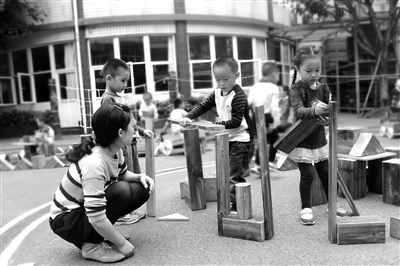
Xuan Xuan, Yilin and Whale, who have weak construction skills, build a house together. After the fence and table were set up, Xuan Xuan tried to erect two long blocks as doorframes, but failed. Yilin suggested putting the long door frame against the wall, and finally succeeded. No sooner had the whale put on the beam than the erected building blocks tilted. Three people repaired the door, but Xuanxuan accidentally touched it and the door collapsed. After being repaired again, they chose not to go in and out from the door, but to play "play house" around the table.


At this time, the teacher pretended to be a guest and deliberately squeezed the door down. Three people skillfully recovered and said, "Teacher Zhou, don’t come in through the door, come in through the fence!" " The teacher replied, "Ah? Climb over the wall, not good. Your door is too small and weak. " Inspired by the teacher, the children found longer and thinner building blocks to repair the door. But it still collapsed when I entered the door. "It’s too narrow." Whale whale said. The children failed to increase the width of the doorframe again, and they began to blame each other. When the teacher saw this, he showed them around the rockets repaired by his friends and asked, "Why don’t they fall down when they repair so high?" Xuan Xuan soon discovered that they were made of square blocks. "Oh, we can also build doors with that kind of wood." Whale whale said.


After that, three children found square building blocks separately and finally succeeded.


Xuanxuan, Yilin and Whale are middle-class children. Compared with others, their construction skills are not high, and they have not mastered the relationship between the shape and stability of materials, and there are still difficulties in overhead. Teacher Zhou didn’t rush to interfere or deny children’s choices, but saw their persistence, concentration and efforts, and guided them to discover the relationship between the shape, stress surface and stability of building blocks through observation. This interactive way can make children feel their own value and ability, and feel that they are capable learners.


Make up for the weak development


The development speed and degree of children in each field will be different. Some children may perform well in one field, but they may need extra support and attention in another. Teachers should not only help children develop their advantages, but also make up for their weak development.


Case 2: Jiayang’s Domino Game


Jiayang likes challenging games, but he is stubborn, doesn’t like his companions to join his games, and often loses his temper.


    Once, Jiayang tried to use bullets to row from one end of the classroom to the other. Mao Mao wanted to join in, but Jiayang didn’t agree. The teacher suggested that the two men should swing from both ends and meet in the middle, but Jiayang reluctantly agreed. But the first two times failed, they discussed the reasons together, and succeeded in the third time, which made teachers see the opportunity to guide Jiayang’s cooperative game.


By watching the game video played by the teacher, Jiayang sprouted the idea of making a big circle around the classroom with all the materials. The teacher asked, "Do you need a companion?" Jia Yang replied, "Yes, I can’t do it alone." With the help of teachers, Jiayang called his friends and introduced the plan, which was responded by many children. Jiayang is very happy. He feels accepted and trusted. The task of "challenging the Great Circle" finally succeeded in everyone’s cooperation.


Soon, Komori and Jiayang put a triangle together, and it was about to succeed. Komori accidentally shook the table, and in an instant, all the blocks fell down. I thought Jiayang would get angry, but I didn’t expect him to say calmly, "Forget it, it’s okay, start over, and pay attention next time."


Jiayang is outstanding in cognitive development, practical ability and learning quality, but has a weak awareness of understanding, tolerance and cooperation with others. In view of this weak development, teachers "premeditated" a game that needed cooperation based on Jiayang’s game interest. In this process, we have seen that Jiayang never accepts others to join, but cooperates with others and forgives others’ mistakes. In the game, Jiayang not only played an advantage, but also made up for the weakness.


Support diversified development


Every child has different interests and development needs, and teachers need to provide diversified activities that meet the interests, abilities and needs of different children to support their differentiated development. Regional games are an important way to respond to children’s different interests in differentiated teaching. Teachers can realize this vision by creating rich regional games.


Case 3: Teacher Xiaoyu’s classroom


In order to let every child do what he likes, teacher Xiaoyu’s class has created six kinds of environments. The first category is the environment that supports children’s systematic perception and experience, including the secret of pulp, the art creation area of paper and the hot pot restaurant made of paper; The second category is the environment that satisfies children’s social role imitation, including doll house and photo studio; The third category is the environment that meets the needs of children’s operation and inquiry, including nailing and knocking areas and construction areas; The fourth category is the environment that meets the needs of children’s artistic expression, including fabric area and painting wall; The fifth category is the environment that satisfies children’s closeness to nature and perception of life, including planting areas and feeding areas; The sixth category is the wall environment that highlights the growth process of children and reflects the process of parents’ participation.


Teacher Xiaoyu fully considers the needs of different children and the development needs of the same child in different aspects, and is committed to providing children with a diverse, rich and inspiring learning environment. Through the creation of such an environment, every child can find something he is interested in and get support, so as to achieve comprehensive and personalized development.


Respect special needs


Many teachers have children with special needs in their classes. These children are facing various challenges and need extra attention and support.


Case 4: hyperactive Chen Chen


    Chenchen (a pseudonym) can never be quiet, and the teacher tried many ways to adapt him to the normal rules, all of which ended in failure. After medical identification, he was found to have ADHD. This semester, the teacher gave Chen Chen more free space. For example, when doing morning exercises, he is allowed to do what he likes, or he can join everyone’s activities. In the review session of a woodworking game, Chenchen is still wandering around. The teacher asked, "Chenchen, where did your work go?" Did you run away like you? " After Chen Chen heard it, he took out his work. The teacher was very surprised. Chenchen made an airplane seat with hinges. The teacher said excitedly, "Wow, Chenchen, we didn’t expect that, you are great!" " Suddenly, the activity room rang with warm applause, and Chenchen ran away happily.


In the above cases, the teacher established different rules for Chen Chen. This personalized support made Chen Chen more comfortable to participate in class activities, reduced his conflict with the routine, and helped to improve his experience and self-confidence in the park. At the same time, teachers do not ignore the existence of Chenchen, but respect and encourage him to participate, so that he can feel his own value and the importance of being recognized. In this way, teachers not only provide a more suitable learning environment for Chenchen, but also create a more inclusive and warm atmosphere for the class.


(Li Yuanyuan is the Sichuan Family Construction Research Institute of Sichuan Normal University, and Yulin is the 16th kindergarten in Chengdu, Sichuan Province).

China Education News, April 7, 2024, 2nd edition 

Improve the comprehensive functions of the city and speed up the upgrading of infrastructure construction.

  Infrastructure construction in many cities is accelerating. Recently, Tianjin, Henan, Anhui and other places have issued relevant construction plans, from the construction of new infrastructure to upgrade the level of digitalization and intelligence, to the renovation and upgrading of traditional facilities in the fields of transportation and logistics, flood control and drainage, and garbage disposal. A package of projects has accelerated the filling of urban shortcomings, improved the comprehensive functions of cities, made cities safer, smarter and greener, and improved the quality of urban life.

  See the whole city on one screen — — This is the monitoring system for the safe operation of urban lifeline engineering, which has been applied in many cities in Anhui, Guangdong, Sichuan and other provinces. From the buried pipe network to the bridge standing in the air, it is marked on the screen of the safety monitoring center. Click anywhere, and the data information is clearly visible.

  The reporter learned that according to this information, we can assess the risk of every pipe network bridge in the city, perceive the abnormal data in time, and eliminate the risk in the bud. For example, in the past, bridge inspection was generally carried out according to the safety condition for one year or more, but through monitoring equipment such as sensors installed on the bridge, real-time monitoring of pressure and other data was realized to ensure the safe operation of the bridge.

  In addition, road flooding warning and billboard falling warning … … Such intelligent terminal "neurons" are accelerating their extension in cities.

  This year, the Ministry of Housing and Urban-Rural Development started the lifeline safety project of urban infrastructure, and built an operation monitoring platform covering key areas such as bridges, water supply, heat and utility tunnel. Ni Hong, Minister of Housing and Urban-Rural Development, said that as an important part of urban renewal and new urban infrastructure construction, the project aims to improve the city’s ability to ensure supply, smoothness and safety, and improve the city’s resilience.

  Recently, a package of local specific construction plans has been launched one after another. According to the three-year action plan for lifeline safety engineering construction of urban infrastructure in Henan Province released on August 28th, all counties (cities) in Henan Province will monitor the safe operation of gas, drainage, bridges, heat, water supply and utility tunnel in the urban built-up area before the end of 2025. Anhui Province has made it clear that the urban lifeline project will be expanded to more new fields such as elevator safety and rail transit.

  Liu Qiang, deputy director of the Center for Urban and Small Town Reform and Development of the National Development and Reform Commission, said in an interview with the Economic Information Daily that China’s urbanization process has entered the second half, and cities need to better meet people’s yearning for a better life. At present, the infrastructure of most cities can generally meet the daily needs of residents, but in the face of special circumstances such as emergency disasters, the load is often limited, and it is difficult to "convert from emergency to emergency", which greatly restricts the improvement of urban resilience. On the other hand, some new infrastructure needs to strengthen the layout construction, which is related to the informationization, digitalization and intelligent transformation of the whole city. It has strong network effect and first-Mover advantage and needs to be deployed in advance.

  The construction of new urban infrastructure has been accelerated, and the traditional urban facilities in the fields of transportation and logistics, flood control and drainage, and garbage disposal have been continuously upgraded.

  The reporter was informed that taking the opportunity of the Chengdu Universiade, Chengdu has built a number of major urban infrastructures, especially "invisible projects": rebuilding rainwater and sewage pipelines for about 20 kilometers, and upgrading micro-pipe corridors and other comprehensive pipe networks simultaneously to consolidate the "lining" of urban infrastructure. In addition, the relevant person in charge of Chengdu Chengtou Group told reporters that in order to promote the sustainable development of the city and the green and low-carbon transformation, Chengdu Chengtou continued to promote the energy-saving transformation of urban lighting facilities. Last year, more than 65,000 lamps were replaced, with a comprehensive energy-saving rate of 47%.

  More urban infrastructure construction projects will continue to advance. The press conference held by Chengdu Bureau of Ecology and Environment on August 29th revealed that in order to fill the shortcomings of environmental infrastructure, Chengdu will continue to promote the construction of 13 district (city) and county kitchen waste treatment projects, 5 construction waste resource utilization projects and 11 domestic waste transfer stations.

  According to the "Implementation Plan for Urban Infrastructure Construction in Tianjin during the 14th Five-Year Plan" issued on August 7th, Tianjin will carry out infrastructure renovation in many aspects, such as urban lighting energy saving, waterlogging control and sewage treatment. Among them, the old sewage pipe network will be upgraded, and by 2025, the centralized collection rate of urban domestic sewage will be no less than 70%.

  In Liu Qiang’s view, to speed up the construction of urban infrastructure, it is necessary to combine the specific conditions of cities of different scales and different stages of development to "prescribe the right medicine". "In cities of different sizes, the specific contradictions are also different. For areas in the middle stage of urbanization, the problems are that the efficiency of resource allocation and facilities utilization needs to be improved, and the docking between service supply and residents’ needs needs to be strengthened. For big cities with mature development stage, the main problem is that many municipal facilities are outdated and aging, resulting in poor experience and potential safety risks. The renovation of old residential areas and urban villages, the renewal of old pipes for gas heating water, and the collection and disposal of sewage and garbage have all been placed in a more critical position. "

  It is worth mentioning that urban infrastructure construction is not only a livelihood project, but also a development project, which is one of the important aspects of steady growth and structural adjustment. According to the Ministry of Housing and Urban-Rural Development, according to incomplete statistics, in 2022, 571 cities across the country implemented about 65,000 urban renewal projects with a total investment of about 5.8 trillion yuan.

  However, people in the industry also pointed out that how to effectively get through the capital blocking point, optimize the capital structure and mobilize the participation enthusiasm of multi-party capital will be a long-term problem facing urban infrastructure construction.

  The reporter noted that in promoting urban infrastructure construction, many places have emphasized innovative capital investment methods and operational mechanisms, further broadened infrastructure financing channels, and encouraged social capital to participate in infrastructure construction, operation, maintenance and services.

  Liu Qiang said that encouraging, supporting and guiding multi-party entities and diversified funds to participate in the project of improving urban infrastructure is not only an inevitable requirement for giving full play to the effective market and the joint efforts of the government, but also a positive response to the proper meaning of "people’s cities are built by the people and people’s cities are for the people". He suggested that the top-level design of local implementation should be strengthened. Based on the interests of all local parties and the unique attributes of the project, the planning and design should be scientifically formulated, the entry cost of market funds should be actively reduced, and efforts should be made to balance the public welfare and commercialization of construction projects. At the same time, stimulate the participation enthusiasm of social subjects. It is necessary to actively play the role of the government as a "microphone" and "baton" in eliminating information asymmetry and guiding the flow of funds, and fully respect the advantages of market-oriented institutions in value discovery and creation, project operation and maintenance.

The release of "The Return of the Red Flag Canal is still a teenager" reveals the craftsman spirit this winter.

1905 movie network news On December 6th, the film "The Return of Hongqi Canal is still a teenager" was released nationwide by General Counsel Lv Housheng, General Manager Wang Baoyu, General Manager Sun Jianduo, screenwriter Wang Xianqing and chief producer zhang huimin. The film tells the story of an old man who once participated in the construction of the Hongqi Canal. After many years, he returned to the Hongqi Canal with his grandchildren, riding all the way, overcoming difficulties, and finally meeting with old friends to realize his dream together. The story line spans several decades, reappearing the hardships of our ancestors in building the Hongqi Canal in the 1960s, and depicting the scene of building the Hongqi Canal in that year in detail. The whole people’s investment and construction are very exciting, and it also shows the brand-new look of Linzhou in the new era.


Show the wisdom of Chinese people, crystallize the Red Flag Canal and create a miracle of the world.


The film is based on Wang Xianqing’s novel "Great Country Craftsman", and the whole story revolves around a canal that has influenced generations in New China. This canal is called "Hongqi Canal", which was built in the 1960s and has the reputation of "Artificial Tianhe". "1,250 hilltops have been leveled, 152 aqueducts have been erected, and 211 tunnels have been dug, and 15.15 million cubic meters of earth and stone have been excavated", "Building these earth and stone barriers into walls with a height of 2 meters and a width of 3 meters can run through the north and south of the motherland and connect Guangzhou with Harbin" … … This artificial canal built after the founding of New China created a series of feats when it was first built, and the spirit of "foolish old man moves mountains" inspired several generations in New China.


The Red Flag Canal was abruptly cut out on the mountainside of the misty Taihang Mountain. At that time, the canal repairers tied a big rope around the top of the cliff and went down to the mountainside, and then reached the canal line by swinging, splitting the mountain and chiseling stones, which can be seen. The Hongqi Canal, built under such harsh conditions, has not only stood the test of the quality of 50-year-old historical projects, but also trained a large number of skilled craftsmen for Linxian County, becoming a new force in urban construction all over the country. The film "The Return of the Red Flag Canal is still a teenager" is based on this. It not only wants to present the spectacular scene of the Red Flag Canal to the audience, but also hopes to praise the hardworking and selfless dedication of the working people in China through the touching stories.


The premiere of the inspirational movie with great feelings call for China to make a "burning film"


The Return of Hongqi Canal is still a teenager is an inspirational film with great educational significance, which is of great significance for inheriting and carrying forward the spirit of Hongqi Canal. What is extremely rare is that the film is full of fun instead of preaching in an orderly way, but through humorous dialogues and plots between grandfathers and grandsons. "Brother Stone, Hammer, Ye Er, Water Egg, Bolt … …” These characters are very different in personality and flesh and blood, which is impressive. At present, the film is being shown.

The new model of FAW Pentium pony sold for 24,900 yuan went on the market.

  [car home New Car Listed] On August 1st, FAW (|) "Cute Horse" was officially listed.The price of the car is 24,900 yuan.Become a brand new entry-level model. In addition, car purchase can enjoy the benefits of exemption from purchase tax, financial discount on 1000 yuan, giving away compulsory insurance and replacing the car with insurance, and there are four lifelong rights and interests worth 6,000 yuan, including the lifetime warranty of the whole vehicle, the lifetime warranty of the three power companies, the lifetime road rescue and the lifetime renewal fund. Up to now, the order volume of Pentium pony has exceeded 20 thousand units in two months.

Home of the car

FAW Pentium Pony 2024 122km cute horse

FAW Pentium Pony 2024 122km cute horse

The picture shows a galloping pony.

  The configuration of the new car has been mainly adjusted, but the airbags, air conditioning, ramp assist, main driver’s cosmetic mirror, 5/5 points of rear seat and IP68 waterproof rating are still standard in the whole system, and only the remote control functions of car Bluetooth and mobile App are simplified.

FAW Pentium Pony 2024 122km cute horse

FAW Pentium Pony 2024 122km cute horse

  In terms of power, it is still equipped with a motor with a maximum power of 20 kW and a lithium iron phosphate battery of 9.4kWh. Under CLTC working conditions, the pure battery life is 122km and the maximum speed is 100 km/h. In terms of body size, the length, width and height of the car are 3000/1510/1630mm and the wheelbase is 1953 mm. (Text/car home Guo Chen)

Nearly 30 stocks have a daily limit, and this sector is "crazy"!


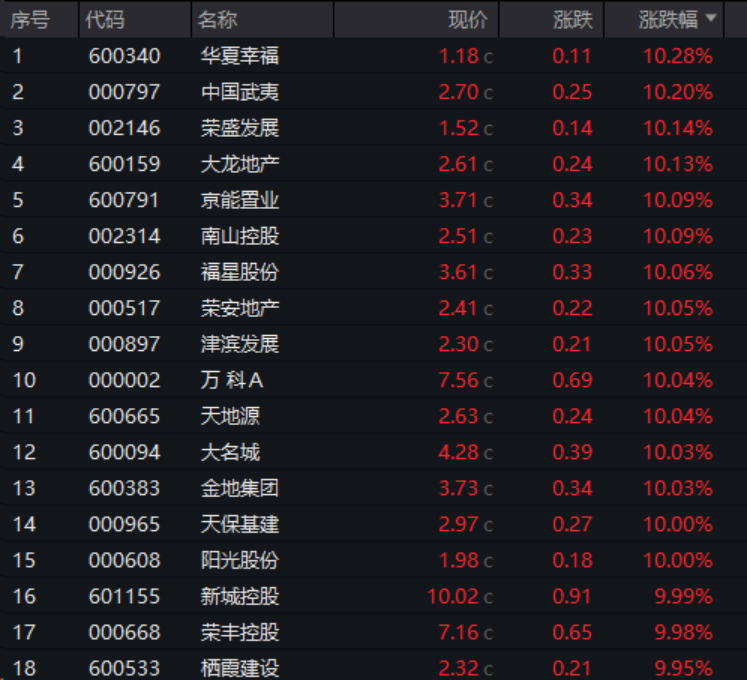
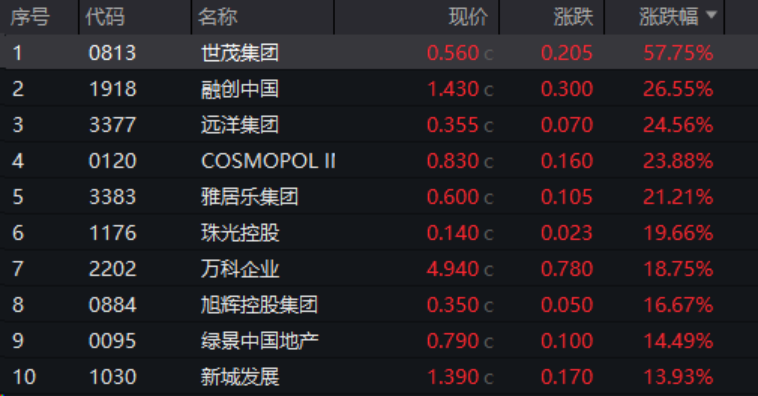
On April 29th, Vanke led the real estate stocks to counterattack. Wind real estate development plate rose by more than 6.79%. Nearly 30 shares of Huaxia Happiness, Vanke A and Xincheng Real Estate have daily limit. In terms of Hong Kong stocks, Shimao Group rose more than 70% in intraday trading, while Sunac China and Ocean Shipping Group all rose more than 20% in intraday trading.


In the news, following Nanjing’s policy of "non-Nanjing household registration personnel who have legally stable residences and actually live in the city can directly settle down", Chengdu has also liberalized the purchase restriction. It is rumored in the market that real estate-related policies will be further adjusted, and destocking has become one of the core concerns of the policy.


Market participants said in an interview with China, a brokerage firm, that there are many opinions on further relaxation of recent policies, and the market has further strengthened its loose judgment and made a more positive judgment on the real estate market outlook.


The real estate sector set off a wave of daily limit.


On April 29th, Vanke A opened rapidly, and closed the daily limit at around 10: 40, with a net capital inflow of 842 million yuan. Other real estate stocks have also made great strides. Among the constituent stocks of the Wind real estate development sector, 28 stocks including Huaxia Happiness have daily limit. Many of these stocks have also seen large amounts of money to buy. The net capital inflow of Poly Development was 170 million yuan, and that of gemdale was 123 million yuan.


picture

picture

In the Hong Kong stock market, the performance of some real estate stocks is even more fierce. Shimao Group rose more than 70% in intraday trading, and finally closed at 57.75%. Sunac China, Ocean Shipping Group and Agile Group all increased by more than 20%.


picture


"Recently, some key cities have successively liberalized measures such as purchase restrictions, which has boosted market confidence." A real estate industry analyst of a Shanghai brokerage firm told the China reporter that Chengdu and Nanjing are relatively high in urban energy levels, and they are more attractive to the surrounding demand after fully liberalizing the purchase restriction. Nanjing even "bought a house and sent an account", and the relaxation intensity exceeded market expectations.


On April 22nd, Nanjing issued the "Notice on Matters Related to Legally Stable Residence (Draft for Comment)", which intends to further relax the conditions for settlement. Non-Nanjing household registration personnel who have legally stable residence and actually live in the city can directly settle down.


On April 28th, Chengdu Housing and Urban-Rural Development Bureau issued the Notice on Further Optimizing the Policies and Measures for the Stable and Healthy Development of the Real Estate Market. From April 29th, the commodity housing projects in Chengdu will no longer be subject to notarization and lottery, and will be sold by enterprises themselves. At the same time, according to the "Notice on Further Optimizing the Policies and Measures for the Stable and Healthy Development of the Real Estate Market", housing transactions in Chengdu will no longer review the conditions for purchasing houses such as household registration and social security, and will no longer limit the number of purchases.


Qi Dong, an analyst in the real estate industry of open source securities, said that housing-related policies at the local level have been introduced intensively, and Shenzhen and Nanjing have successively announced the implementation of the "trade-in" policy for commercial housing, aiming at stimulating the activity of the local property market. At the same time, Chengdu announced the lifting of the purchase restriction measures to promote the stable and healthy development of the real estate market. At present, the signal of stabilizing real estate is clear, and it is expected that the real estate policy will continue to be loose in the future, and there is still room for the release of housing demand. Mega-cities are actively and steadily promoting the transformation of villages in cities, and more countercyclical adjustment measures are expected to accelerate the landing.


The market expects more policies to land.


In fact, while the benefits of urban policies in various cities continue to land, the market has also circulated a "small composition" with further loose policies at a higher level.


It is rumored in the market that the programmatic policies related to real estate will be further adjusted in the near future, and the main contents include "the focus of real estate policy has shifted to destocking; Let the city investment company and other companies purchase stock houses and turn them into rental houses; The demand policy can be fully liberalized, the purchase restriction can be liberalized, the price limit can be liberalized, and the deed tax can be uniformly reduced to 1%. "


Some market analysts believe that the relevant policies are feasible in practice. Yan Yuejin, research director of Yiju Research Institute, analyzed some rumors. For example, for the adjustment of demand side, he believes that the loosening of various places is increasing, and the house purchase policy basically cancels all kinds of binding policies since 2016, and even enters the historical stage of zero purchase restriction. The relaxation of price restrictions itself is also the logic of market price returning to market pricing. As for the deed tax policy, it can be considered that the transaction cost should be further reduced, because many standards of housing units or apartment types involved in deed tax policies around the country are the original models. Now the constraints on the second suite or apartment are reduced. From the perspective of adapting to the new situation of supply and demand, it is really necessary to adjust the deed tax policy to reduce transaction costs and improve efficiency.


Regarding the relevant contents of destocking, Yan Yuejin said that at present, the pressure of destocking of housing enterprises is still great, which affects the withdrawal of funds, so appropriate policy adjustments are also in line with expectations.


"The current situation of real estate really needs more policy support, otherwise it is difficult to get rid of difficulties by the industry itself. The authenticity of rumors cannot be confirmed now, but market expectations should be relatively consistent. " The aforementioned real estate industry analyst said.


Zhang Hongwei, founder of Mirror Consulting, said that the loose policies in core cities such as Chengdu have brought some positive market expectations, and it is expected that the policies in core cities will be further relaxed, which will help the market turnover to stabilize and rebound. These expectations are good for the stock price to rise.


According to the latest research report of CITIC Jiantou, since 2024, many key cities, including four first-tier cities, have gradually loosened the purchase restriction policy. Suzhou and Changsha have completely cancelled the purchase restriction before, and Hangzhou has cancelled the purchase restriction of second-hand houses. After the relaxation of the purchase restriction policy, the market responded positively. For example, Shanghai relaxed the purchase restriction for single non-registered people outside the Outer Ring Road in January. Due to the influence of the Spring Festival in February, the transactions of new houses and second-hand houses in March increased by 67.8% and 20.0% respectively compared with January, and Shenzhen reduced the requirement for payment of social security years in February. In March, new houses and second-hand houses increased by 26.1% and 14.2% respectively compared with January. The relaxation of the purchase restriction policy is of great significance for releasing the demand for buying houses and promoting the recovery of the property market. Cities that still retain the purchase restriction policy are expected to continue to relax in the future.

The Japanese government has made public anger again. "I hope the whole world will criticize Japan."

It has been almost 10 years since the accident at the Fukushima Daiichi nuclear power plant, but recently, the nuclear sewage problem in Fukushima, Japan has once again detonated major foreign media.
On the 16th local time, Japanese Chief Cabinet Secretary Katsunobu Kato said that the treatment of Fukushima nuclear sewage could not be delayed any longer.The Japanese government will hold a cabinet meeting in late October and formally decide to discharge 1.23 million tons of nuclear sewage containing radioactive tritium directly into the sea.
According to a report by the Japan News Agency on the 16th, the Fukushima Daiichi nuclear power plant will produce 160-170 tons of polluted water every day after the nuclear leakage caused by the Great East Japan Earthquake in 2011. After purifying the polluted water with high concentration of radioactive substances, Tokyo Electric Power Company stores the water in the water tank in the nuclear power plant. But even the treated polluted water contains radioactive substances such as tritium. As of September 17th this year, the total amount of nuclear sewage from Fukushima Daiichi Nuclear Power Plant was 1.23 million tons, filled with 1,044 water tanks, and the storage space is expected to be exhausted in the summer of 2022.
Therefore, it is time for the Japanese government and Tokyo Electric Power Company to decide how to treat the sewage.
According to Japanese media, the sewage will be "diluted 40 times" before being released, and the whole sewage discharge process will last for 30 years.The Japanese government believes that this scheme is a way to deal with the natural environment with "little impact".
This decision of the Japanese government instantly triggered a global uproar, which immediately led to dissatisfaction from neighboring countries such as South Korea. On the same day, the South Korean Foreign Ministry said that the Japanese government had decided to discharge Fukushima nuclear sewage into the sea, and the South Korean government had launched an inter-departmental response mechanism centered on the State Affairs Adjustment Office. The meeting of relevant departments was upgraded to the second official level (deputy minister level) on the 29th of last month. Yan Zaizhi, chairman of the Korea Atomic Energy Safety Committee, also said that the polluted water from the Fukushima Daiichi nuclear power plant "will inevitably lead to the diffusion of radioactive tritium in the ocean".
The media in various countries also took turns to report on this matter. As can be seen from their reports, foreign media are worried about Japan’s move.
The British "Independent" directly reported that "under the strong opposition of environmentalists and the fishing industry, Japan is still preparing to discharge more than 1 million tons of nuclear polluted water from Fukushima power plant into the sea." ↓
New York Post believes that how to treat hundreds of tons of sewage from the Fukushima Daiichi nuclear power plant has been a long-term problem. Now, Japan’s decision will not only make its neighbor South Korea feel "angry", but also further destroy the fishery in Fukushima. ↓
Deutsche Welle (DW) quoted local farmers and fishermen as saying that this decision would ruin their efforts to restore the reputation of the region for several years. After that, people may even refuse to eat seafood and agricultural products from Fukushima. ↓
Al Jazeera is worried that the sewage problem in Fukushima has also caused concern about the postponed Tokyo Olympic Games, because some competition venues are even less than 60 kilometers away from the abandoned factory in Fukushima.
Yonhap News Agency said that South Korea is paying close attention to Japan’s sewage treatment activities and will strengthen cooperation with the international community and work together to deal with it. The report also appealed that South Korea had always asked Japan to keep information open and transparent in nuclear pollution treatment, and fully communicate with the international community, giving priority to the impact on the surrounding environment and the human body.
Opposition and protests in Japan have also continued.
The Japanese Fisheries Association and the local people in Fukushima expressed strong opposition to this decision.Most people in Japan also think that this move is "irresponsible" and "cowardly behavior".
According to the news agency, the president of the National Fisheries Cooperation Association of Japan, An Hong, also raised a clear objection at the government hearing on October 8. An Hong said that Fukushima residents have made many efforts to clean up the stigma of "aquatic products containing nuclear substances" for many years, and the government’s move will make all efforts go up in flames. At the same time, people will also look at all the aquatic products caught off the coast of Japan with "colored glasses", which is even worse for the already poor Japanese fishery.
What do Japanese netizens think?
Many netizens are critical of this.
Some people accuse the Japanese government of deceiving and concealing the people on the issue of nuclear sewage. "No one will believe the government now." ↓
"In the end, I only waited for countless times of deception, tampering and concealment from the government. Now, how many people believe that the government’s policy is safe? Shouldn’t nuclear power plants be built on a safe and recognized basis? If it is really safe to discharge sewage into the sea, why doesn’t the government discharge sewage into Tokyo Bay or sprinkle it around the National Assembly Hall to prove safety? "
"The fundamental problem is that the Japanese government and Tokyo Electric Power Company, which always respond to problems with lies and dishonesty, have no credit."
Some netizens asked: So will the sewage discharged into the sea have an impact on seafood and human body, and can the Japanese government give an exact explanation? ↓
"It really doesn’t matter, it really will be safe, please explain. Recently, the media has not reported much about nuclear power plants and sewage. I think this kind of thing should be reported well. Do members of Congress and Tokyo Electric Power Company also eat seafood caught in sewage? You won’t say’ it’s safe’ to the people and not eat it yourself, will you? Can you report the truth to the public! "
Others said that the Japanese government should make a decision after careful simulation and verification. ↓
"In order not to leave hidden dangers in the future, I hope the government can carefully simulate and verify the impact of this move on the environment."
Some netizens expressed angrily that they hoped the whole world would criticize Japan. ↓
"I hope the whole world will criticize Japan."
However, some netizens feel that this matter has nothing to do with themselves.Others declared, "This is also a helpless countermeasure."……↓
"Although the release is not good, it has already been in Man Cang, and there is no way to deal with it."
After the Japanese government announced this decision, "Fukushima nuclear sewage in Japan" also boarded the Twitter hot search in Japan on the 16th. Clicking on the hot search, a tweet published by Japanese novelist Daiyama Liren on the same day attracted the attention of many netizens and won nearly 3,000 likes.
"It is to prevent sewage from being discharged into the sea that we have stored them so far, isn’t it?"Daiyama Riren asked, "Did all our efforts in these nine years go up in flames?"
He went on to write: "The damage to the national reputation is uncontrollable and irreparable. It is precisely because we know this that we can’t release sewage into the ocean."
"Even if time passes, some things should not be forgotten."Lushan stressed.
Source: World Wide Web/Cui Wei
Reporting/feedback